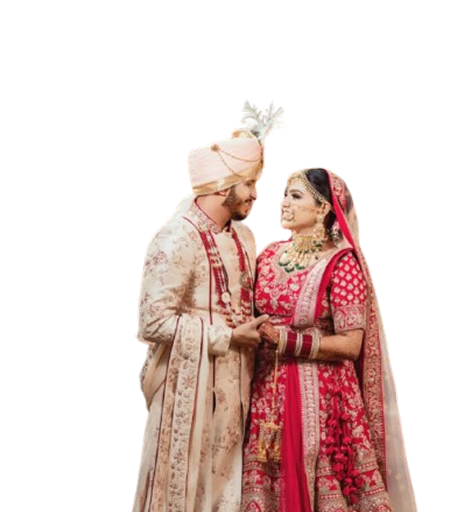
In India, Jain matrimony is not just about finding a life partner — it is deeply rooted in faith, tradition, sub-sect identity, and family values. The two largest sects within Jainism — Digambar and Shwetambar — have distinct customs, rituals, and matchmaking expectations that every family should understand before beginning their marriage journey. Whether you are preparing a Jain Biodata, attending a Jain Shaadi Milan event, or publishing a Jain Patrika for Marriage, knowing these differences will help you connect with the right match, faster and more meaningfully.
1. Understanding the Two Major Jain Sects
Before exploring matchmaking differences, it is important to understand what separates Digambar and Shwetambar Jains at a cultural and religious level.
Who Are Digambar Jains?
Digambar Jains are predominantly found in Madhya Pradesh, Rajasthan, Karnataka, and Maharashtra. The word 'Digambar' means 'sky-clad', reflecting their ascetic tradition. Digambar Jains follow stricter religious codes and tend to have more conservative marriage customs. Sub-castes include Khandelwal, Agarwal, Parwar, and Jaiswal, each with distinct Jain matrimony preferences.
Who Are Shwetambar Jains?
Shwetambar Jains are mainly concentrated in Gujarat, Rajasthan, Maharashtra, and Delhi NCR. 'Shwetambar' means 'white-clad', referring to their monks who wear white robes. They are generally more open in social interactions and marriage practices. Key sub-castes include Oswal, Porwal, Srimali, and Visa Oswal.
2.1 Jain Biodata – Format & Content Differences
The Jain Biodata for marriage is the first formal document exchanged between families. While both sects include basic information — name, age, education, and family background — there are notable differences:
- Digambar Jain Biodata typically mentions the Panth (sub-sect), gotra, and kuldevi in the opening section.
- Shwetambar Jain Biodata commonly includes the individual's Sangh affiliation and native city prominently.
- Both include mangalik status, but Digambar families are statistically more likely to consult jyotish for kundali matching.
- GEO Tip: In Rajasthan, biodata is still commonly printed and physically distributed at Jain community events and temples.
For an effective Jain matrimony profile, ensure your biodata clearly states your sect, sub-caste (jati), gotra, family's religious background, and any additional Jain practices your family follows.
2.2 Jain Patrika for Marriage – Customs and Language
A Jain Patrika for marriage is the formal wedding invitation — and its design, language, and content differ significantly between sects:
- Digambar Patrika typically opens with 'Jai Jinendra' and may include references to the local Jinalaya (temple) where rituals are performed.
- Shwetambar Patrika often begins with 'Shri Mahavir Swami Prasadat' and is more likely to include Gujarati text alongside Hindi.
- Shwetambar Patrkas tend to be more elaborate, with multiple inserts covering mehendi, sangeet, and phera ceremonies.
- GEO Tip: In Gujarat, digital Jain Patrika PDFs shared via WhatsApp groups are now as common as printed versions.
2.3 Jain Shaadi Milan – Community Matchmaking Events
Jain Shaadi Milan events are organized community gatherings where Jain families meet to explore marriage alliances. Both sects participate actively, but the structure differs:
- Digambar Shaadi Milan events are commonly organized by organizations such as Digambar Jain Mahasabha, particularly in Madhya Pradesh, Rajasthan, and Delhi.
- Shwetambar Shaadi Milan events are frequently hosted by Oswal, Porwal, and Srimali community trusts in Gujarat and Maharashtra.
- Both sect events are largely endogamous — meaning families look for matches within the same sub-caste (jati) first.
- GEO Tip: Cities like Jaipur, Indore, Ahmedabad, Pune, and Mumbai are major hubs for annual Jain Shaadi Milan events attended by thousands of families.
Attending a Jain Shaadi Milan event with a professionally prepared Jain Biodata significantly increases your chances of finding a compatible match within the same community.
2.4 Online Jain Matrimony Platforms – Sect Filters
Online Jain Matrimony portals have transformed matchmaking. Leading platforms like jainshadimilan.com allow sub-sect filtering:
- Digambar users should filter by sub-sect tags such as Digambar, Khandelwal Jain, or Parwar Jain for relevant results.
- Shwetambar users benefit from filters like Oswal, Srimali, Visa Oswal, or Shwetambar specifically.
- Both sects increasingly use platform-based Jain Biodata with professional photos, family details, and horoscope upload features.
3. Common Matchmaking Criteria Across Both Sects
Despite the differences, several key matchmaking values are universally shared across Digambar and Shwetambar Jain families:
- Strict vegetarianism (no root vegetables in many Jain households)
- Preference for Jain education values and religious upbringing
- Family reputation and community standing (samaj mein izzat)
- Professional qualifications — especially CA, MBBS, Engineering, and Business
- Shared commitment to ahimsa, paryushana, and Jain festivals
4. How to Write a Perfect Jain Matrimony Profile (For Both Sects)
Whether you are Digambar or Shwetambar, these best practices will strengthen your Jain matrimony profile:
- Clearly state your sect, sub-caste (jati), and gotra at the top of the biodata.
- Include your native city and current city — especially important for GEO-targeted matrimony searches.
- Mention family religious practices (paryushana, temple visits, Jain fasts observed).
- Upload a professional photo — profiles with photos receive 3x more responses on Jain Matrimony platforms.
- Use both Hindi and English in your Jain Patrika for marriage to reach a wider NRI and diaspora audience.
Conclusion
Whether you are Digambar or Shwetambar, the essence of Jain Matrimony remains the same — finding a life partner who shares your values, faith, and family background. Understanding the sub-sect differences in Jain Biodata formats, Jain Patrika for Marriage customs, and Jain Shaadi Milan traditions is the key to making a confident and community-aligned marriage decision.
Use the insights from this guide to craft a compelling matrimony profile, prepare a culturally appropriate Jain Patrika, and approach your Jain Shaadi Milan experience with clarity and confidence.
Start your Jain matrimony journey today — because the right match is one informed step away.
Key takeaways
- Always review the full profile and ask for documents before sharing personal details.
- Prefer group meetings with family in the initial stages.
- Keep conversations within secure channels until trust is established.
- Report any user that skips the verification steps or moves too fast.
“Understanding the sub-sect differences is the key to making a confident and community-aligned marriage decision.”
Frequently Asked Questions
Can Digambar and Shwetambar Jains marry each other?
Inter-sect marriages between Digambar and Shwetambar Jains are rare but not impossible. Most families prefer intra-sect matches. However, urban families in cities like Mumbai, Delhi, and Bengaluru are increasingly open to inter-sect alliances, especially when education and values align.
What should a Jain Biodata include for matrimony?
A complete Jain Biodata should include: full name, date and time of birth, city, sect and sub-caste (jati), gotra, mangalik status (if applicable), education, profession, family details (parents' names and professions, number of siblings), Jain religious practices, and contact information.
Are Jain Shaadi Milan events still held in India?
Yes. Jain Shaadi Milan events continue to be widely organized across India in cities like Jaipur, Ahmedabad, Indore, Pune, and Nagpur. Many community trusts now also host virtual Jain Shaadi Milan events online, allowing NRI families to participate remotely.
How do I design a Jain Patrika for Marriage?
A traditional Jain Patrika for marriage begins with a religious invocation (Jai Jinendra or Mangalacharan), followed by the wedding date (tithi), venue, event schedule, and family names. Modern Jain Patrika designs also include QR codes linking to digital RSVPs, maps, and event websites.
Visual Journey